
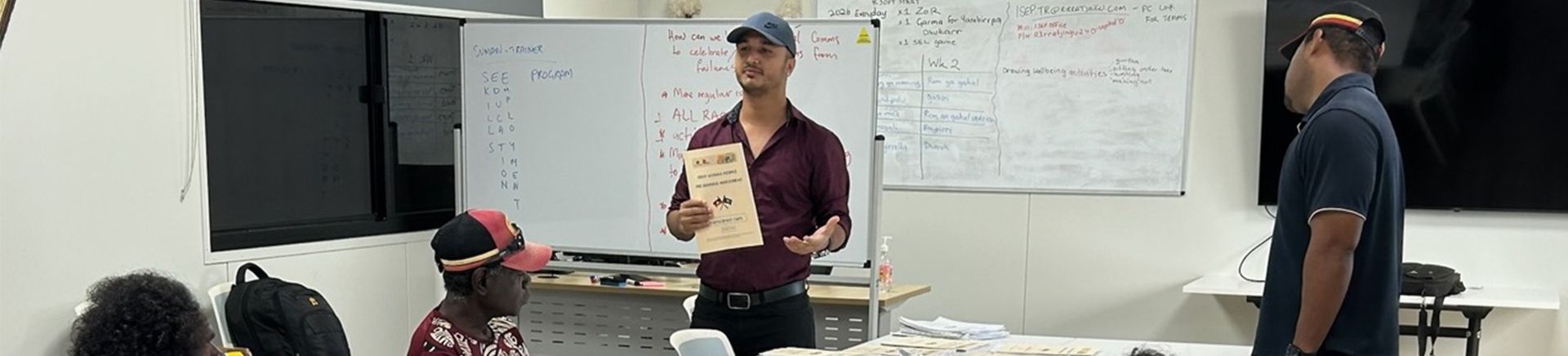

The Batchelor Institute (BI) Skills for Education and Employment (SEE) Program continues to play a critical role in supporting eligible job seekers, employed and non-employed participants to build the foundational skills required for sustainable employment, further education, and meaningful participation in workforce development. As we move into the 2026 training delivery period, the BI SEE team will be focussing on current program models, partnerships, and potential new initiatives that will shape program delivery to achieve quality outcomes.
Partnerships continue to be central to SEE program delivery and staff have strengthened relationships with key stakeholders and have enhanced program relevance and allowed staff to align training with local industry needs with a key focus on LLND support to improve skills and knowledge, develop employment pathways and prepare the participants for work readiness.
The SEE Program has continued to deliver training aligned with the Australian Core Skills Framework (ACSF) and workplace-relevant competencies in both General SEE and Workplace-Based training with current training delivery approved sites being Batchelor, Nhulunbuy, Yirrkala, Maningrida, Milingimbi and Pine Creek.
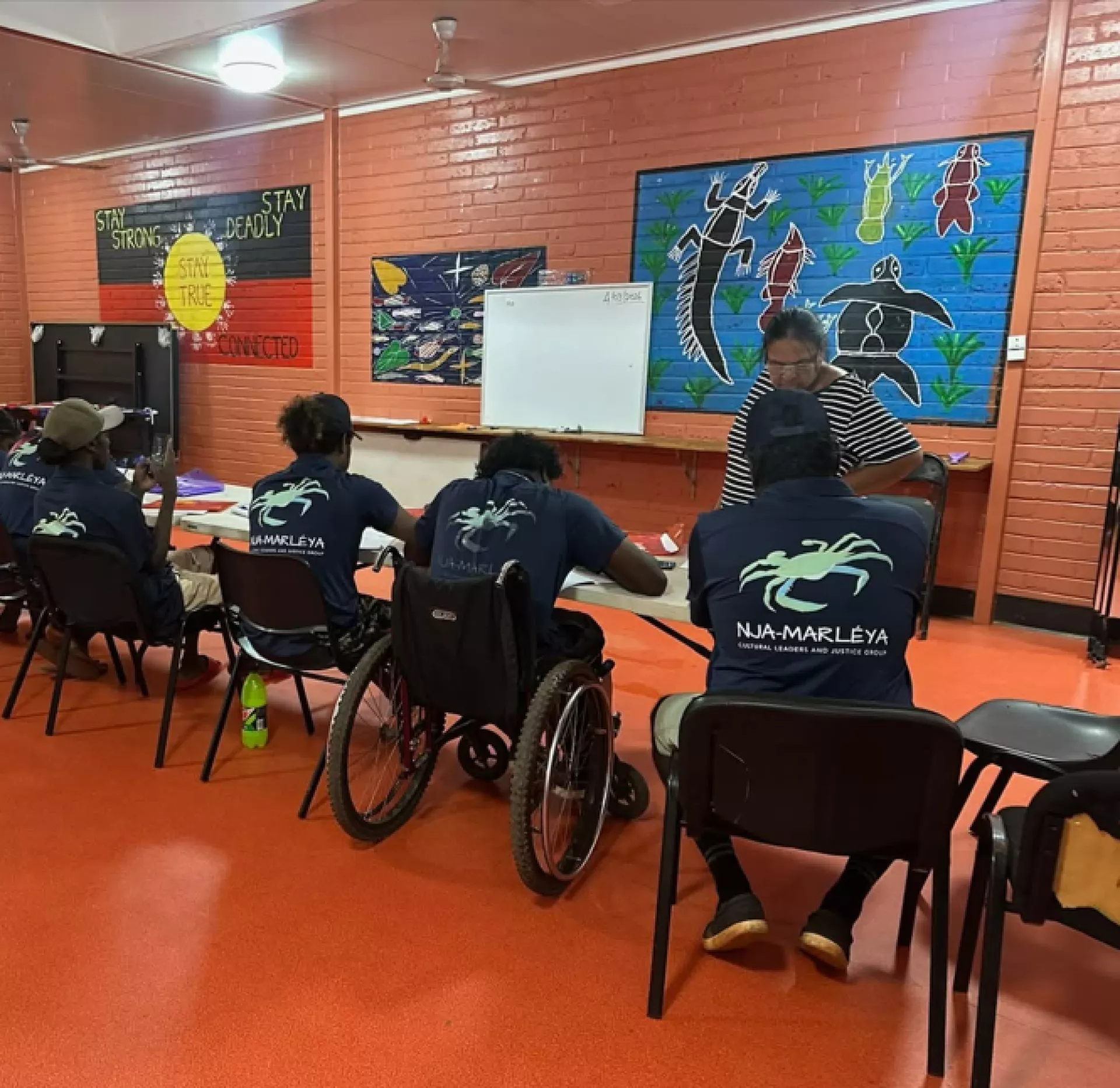
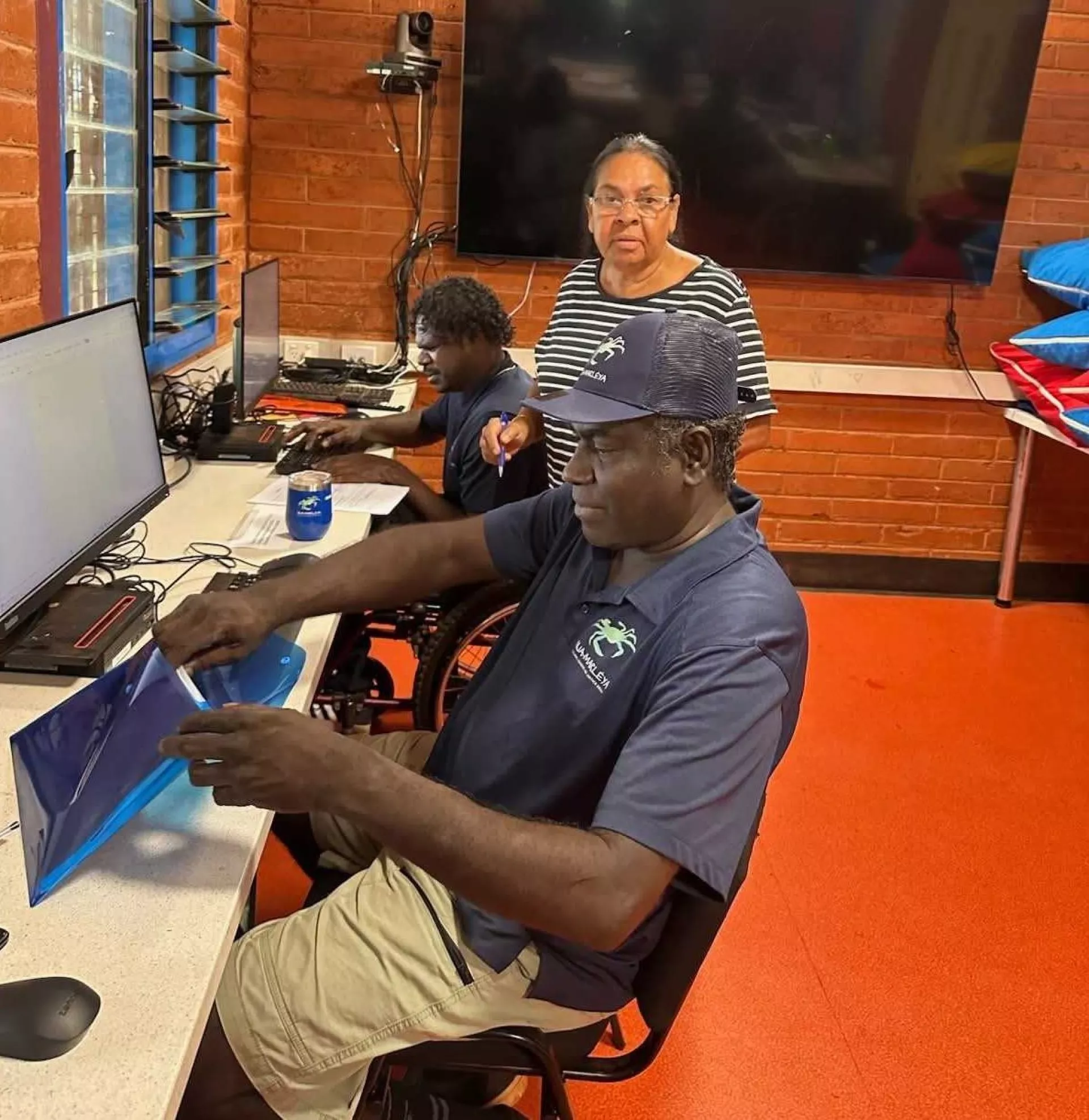
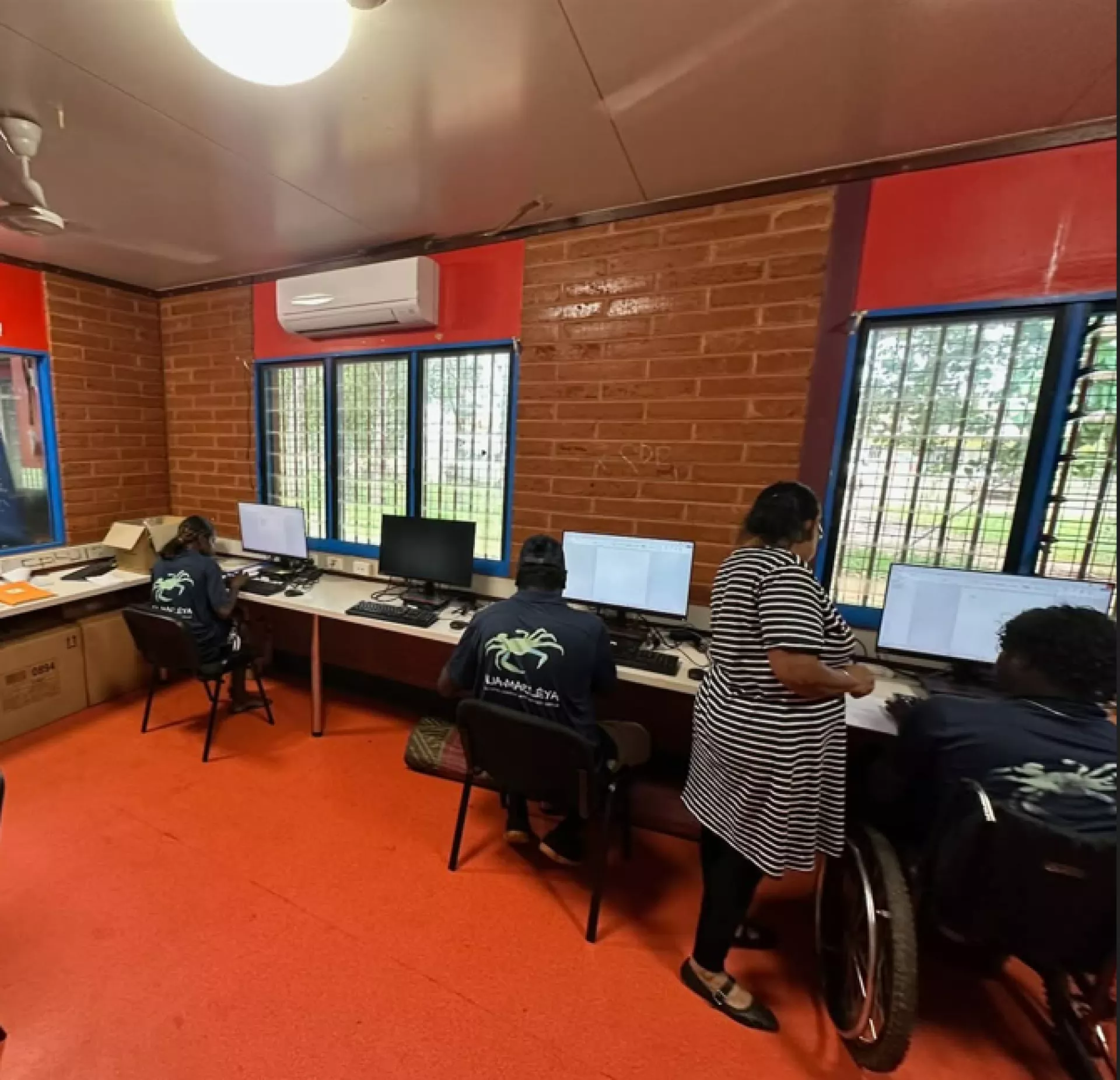
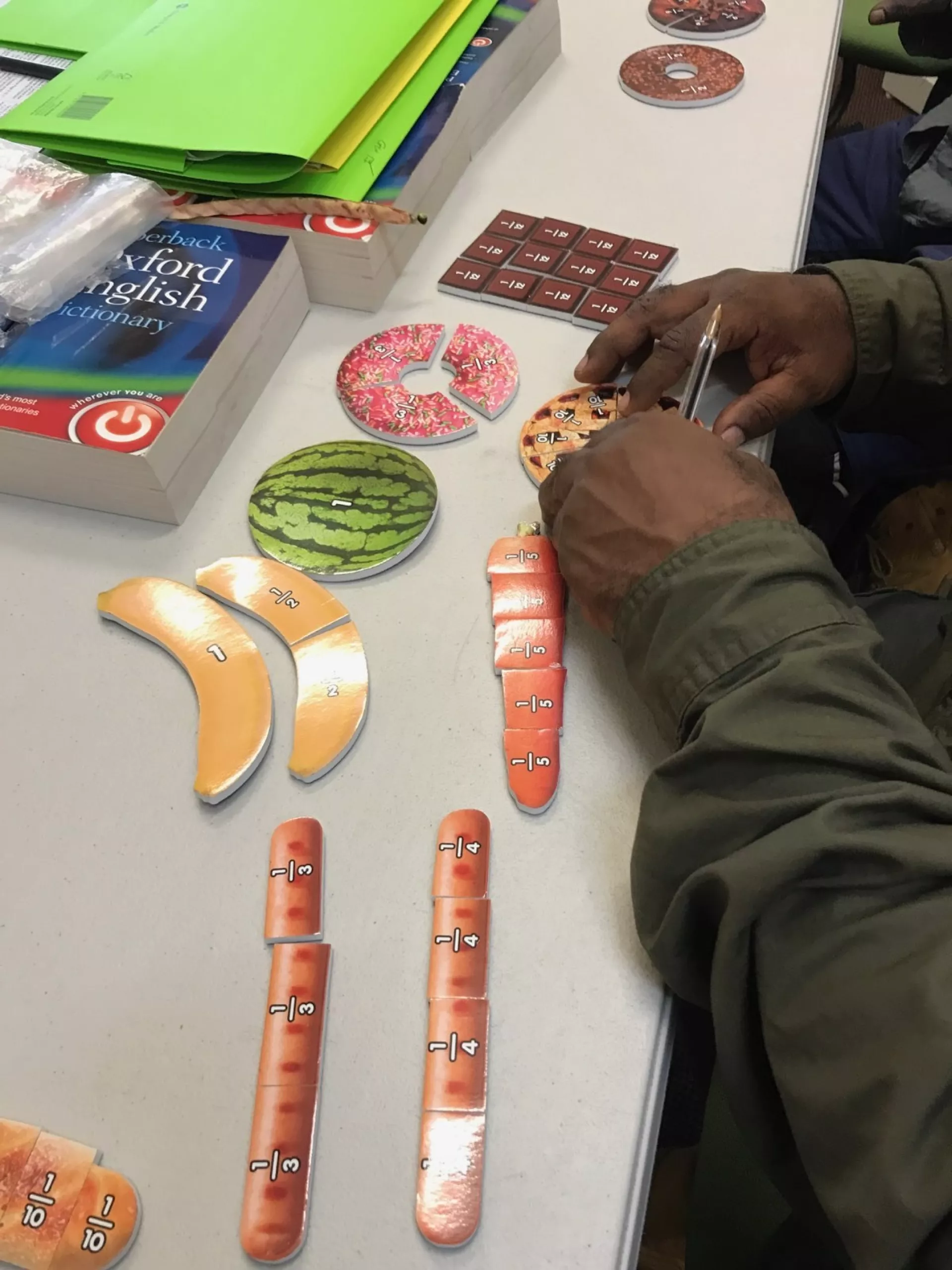
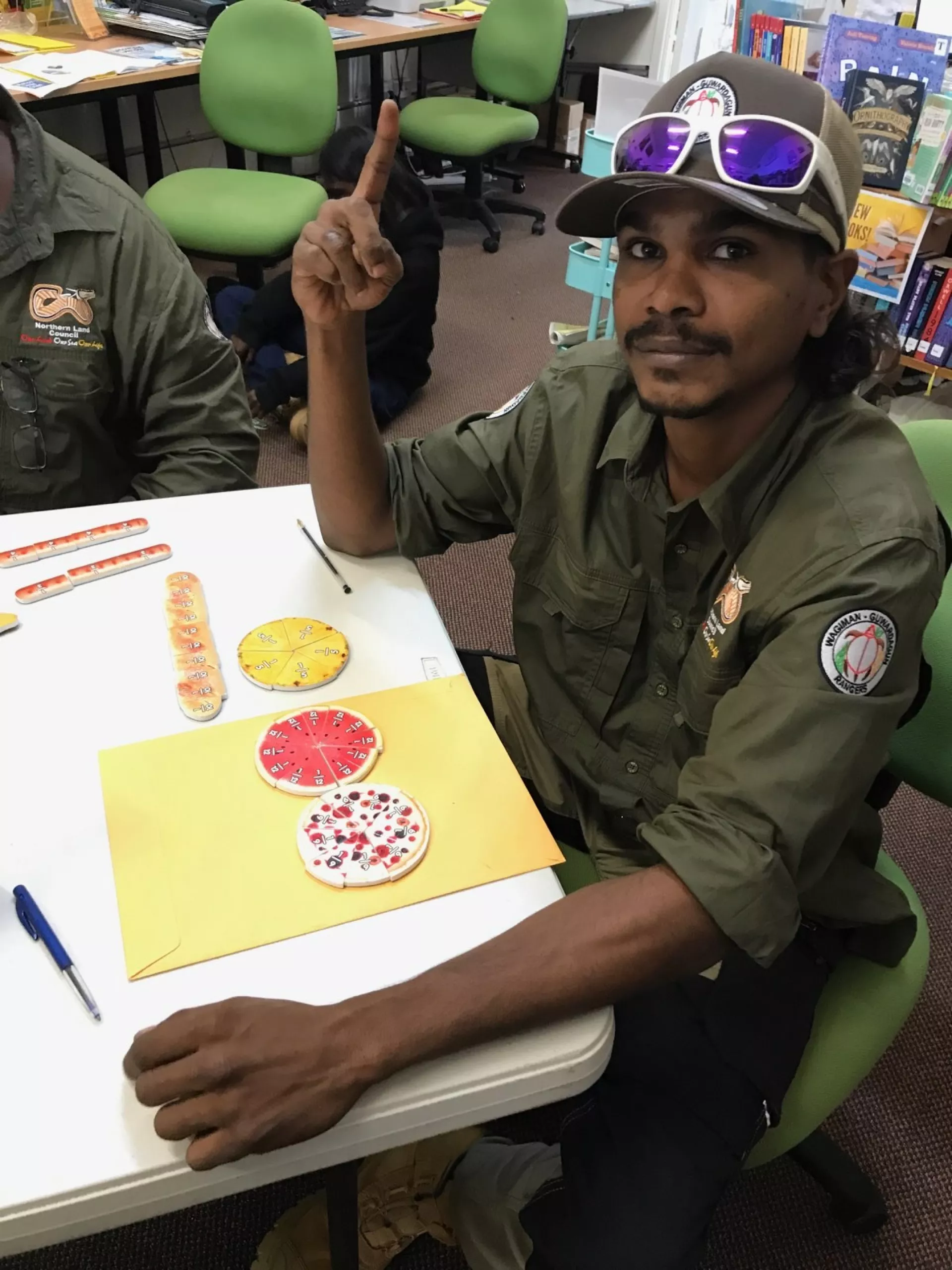
Staff have demonstrated exceptional commitment to building trust and rapport with learners, which will be the cornerstone of SEE program success. To demonstrate the progress the SEE program has been having, please see below current General SEE delivery occurring in both Maningrida and Yirrkala and Workplace-Based training in Pine Creek with the Wagiman Ranger group.
Karen Khan working with the Nja-marleya Cultural Leaders and Justice Group in Maningrida, in supporting the participants to strengthen their LLND skills to better support people in their community.
 |  |  |
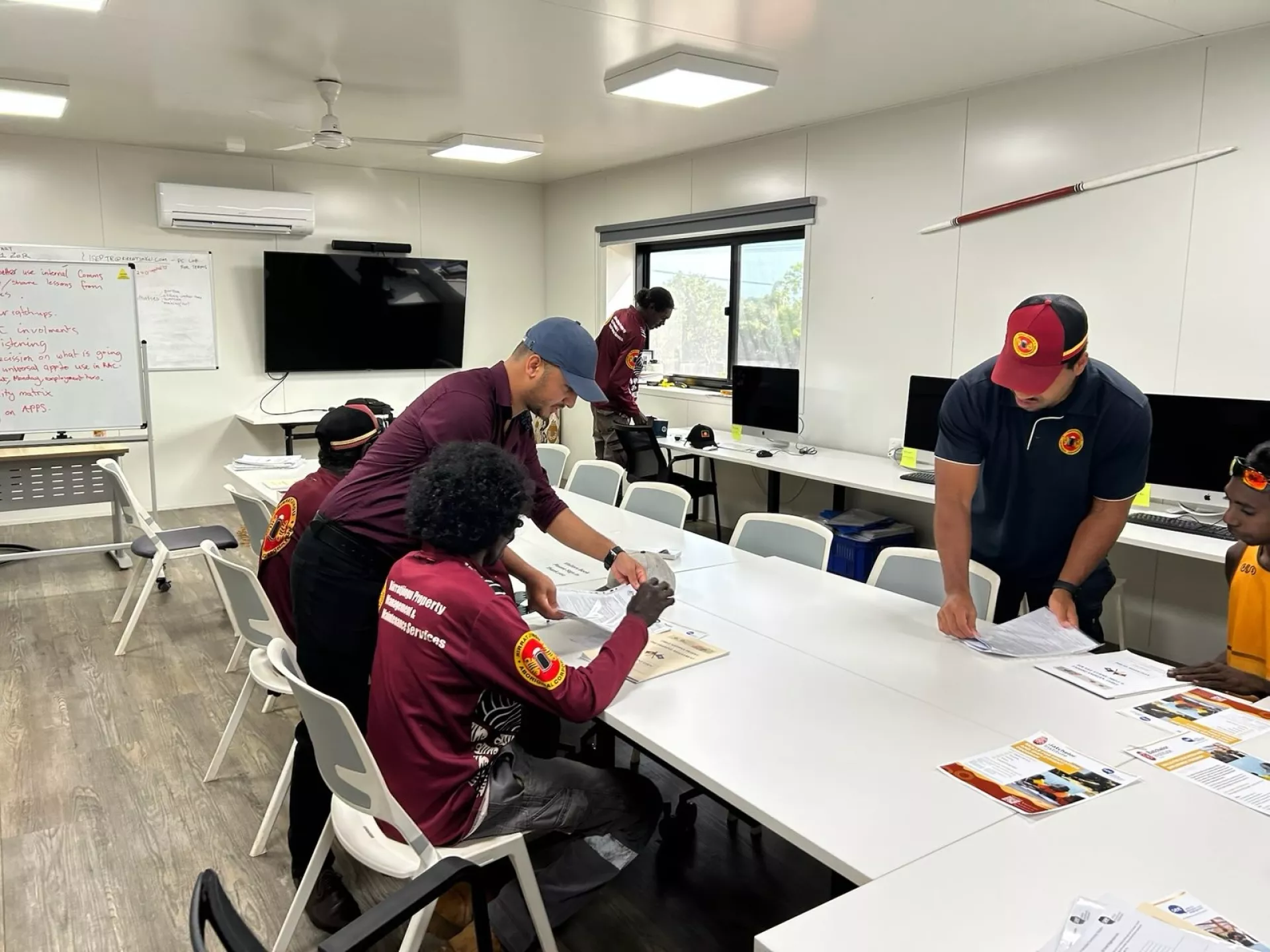
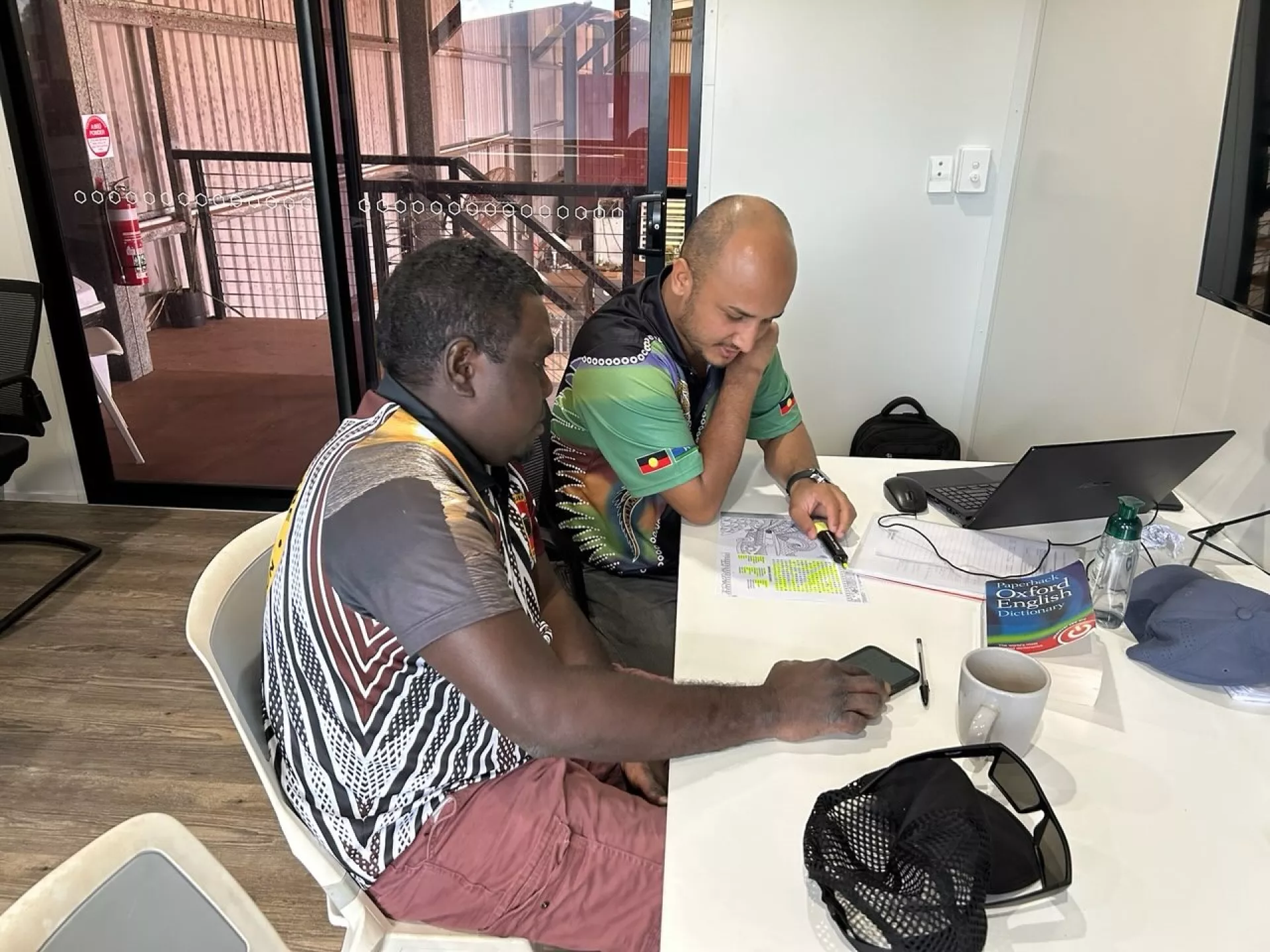
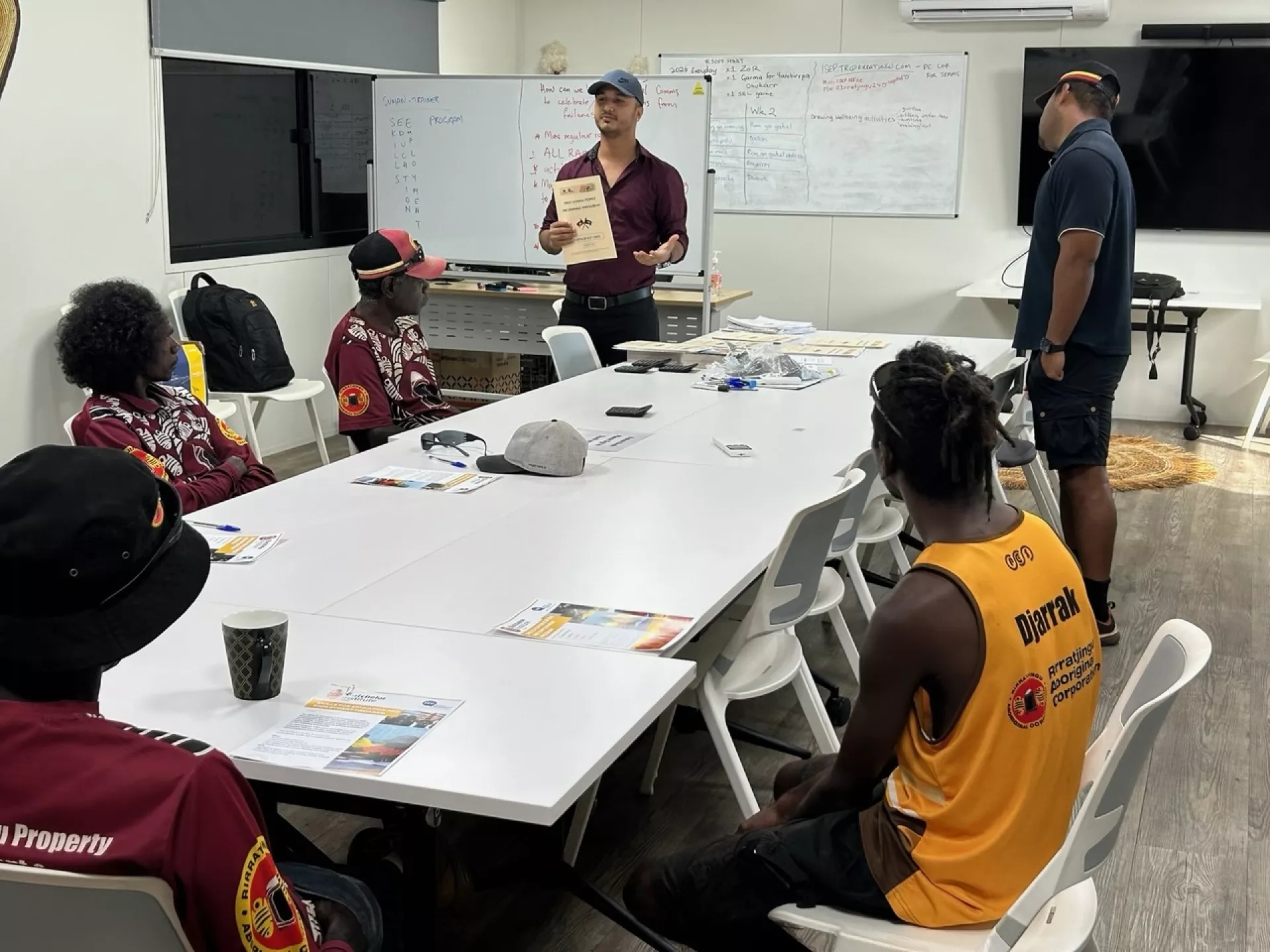
Suman Bista has been working in Yirrkala Community to deliver SEE training with the opportunity to work closely with the Rirratjingu Aboriginal Corporation (RAC), Laynhapuy Homelands Aboriginal Corporation and local community members in order to help support participants with LLND skills for personal development, those seeking employment or assisting the already employed to develop skills for work.
 |  |  |
We also look forward to working with the Dhimurru Rangers in Nhulunbuy, which is currently a working progress with training to commence in the coming weeks.
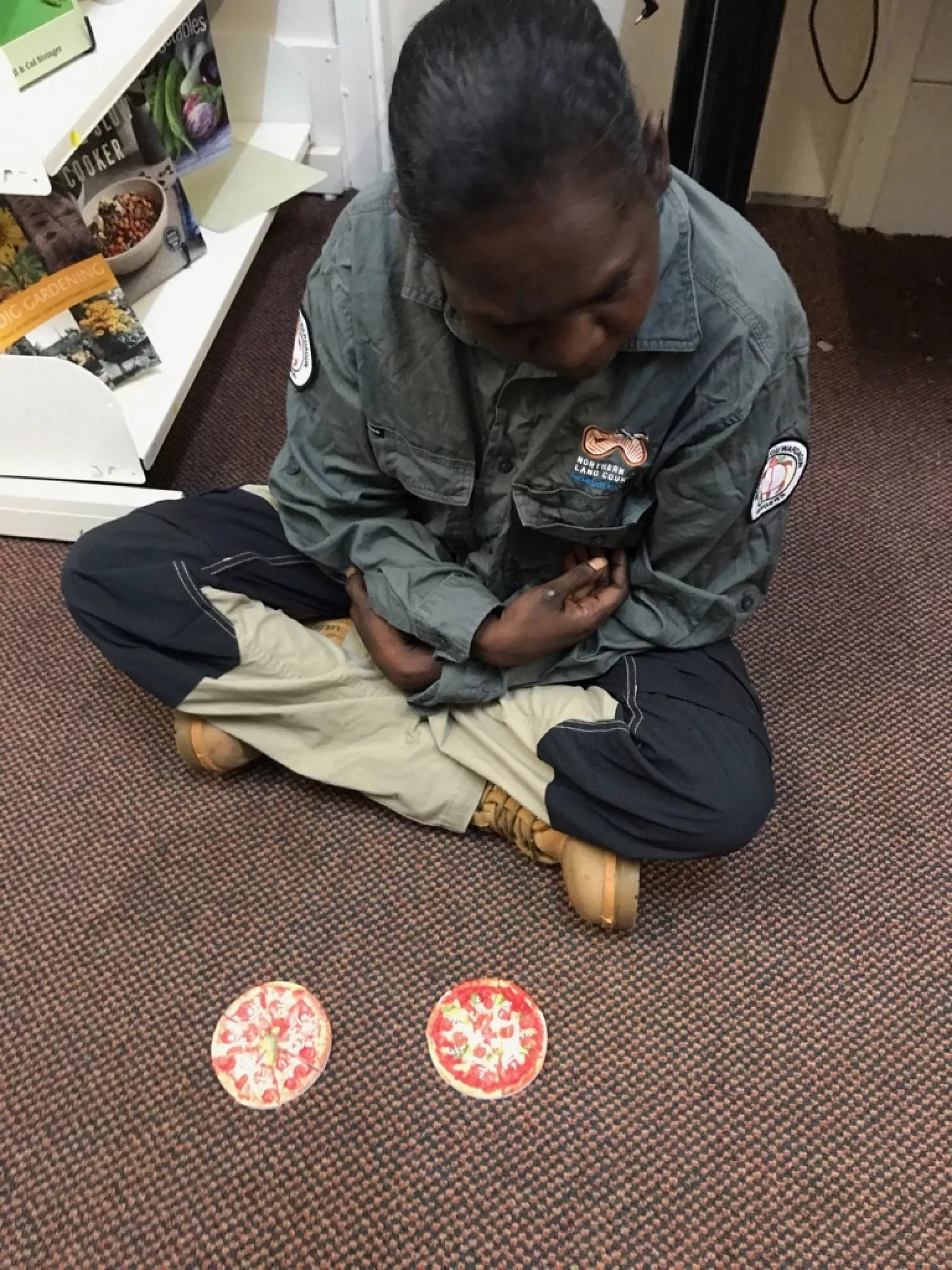
Sue Gow has been working collaboratively with the Northern Land Council (NLC) and Wagiman Rangers in Pine Creek, to achieve quality outcomes and unit completions for the participants engaging in the program.
 |  |  |
The SEE program enters the 2026 training delivery period from a position of strength and commitment built on the dedication and professionalism of its staff. Achievements across training quality, learner engagement, partnerships, and staff capability will bring the program’s positive impact on the SEE team, SEE participants and the communities we engage with.
With continued collaboration, professional development, and a learner-centred approach, staff are well positioned to deliver high-quality SEE training that supports meaningful education and employment outcomes in 2026 and beyond.
Thank you to the SEE team (Petrina Triantafillou, Jessica Pen-Dennis, Levina Cleary, Sue Gow, Suman Bista and Karen Khan) for their continued support, hard work and dedication to the program in doing their utmost to make a difference in as many communities as we can across the Top End of the NT.