
In Mparntwe (Alice Springs), important work in First Nations language education is underway. Between 30 March and 2 April 2026, the Desert Peoples Centre campus hosted a transformative workshop for students enrolled in the Certificate IV in Teaching a First Nations Language (10892NAT).
The focus? Metalanguage, the specialised terminology used to describe how a language works. While ‘grammar’ can often feel like a dry academic subject, for these students, it is a vital tool for cultural maintenance and the future of the Arrernte language.
A Bridge Between Two Worlds: The Both-Ways Philosophy
This workshop was a living example of Batchelor Institute’s Both-Ways philosophy. By grounding the week in Arrernte cultural knowledge first, students engaged with complex linguistic ideas in a way that was locally anchored and deeply meaningful.
Western linguistic terminology wasn't taught as a replacement for traditional knowledge; instead, it was introduced as a supportive framework. This approach ensures that Arrernte speakers lead the way, using Western tools to articulate and protect what they already know. When Aboriginal knowledge leads and Western frameworks serve community goals, true "Both-Ways" learning occurs.
Learning from the Legends
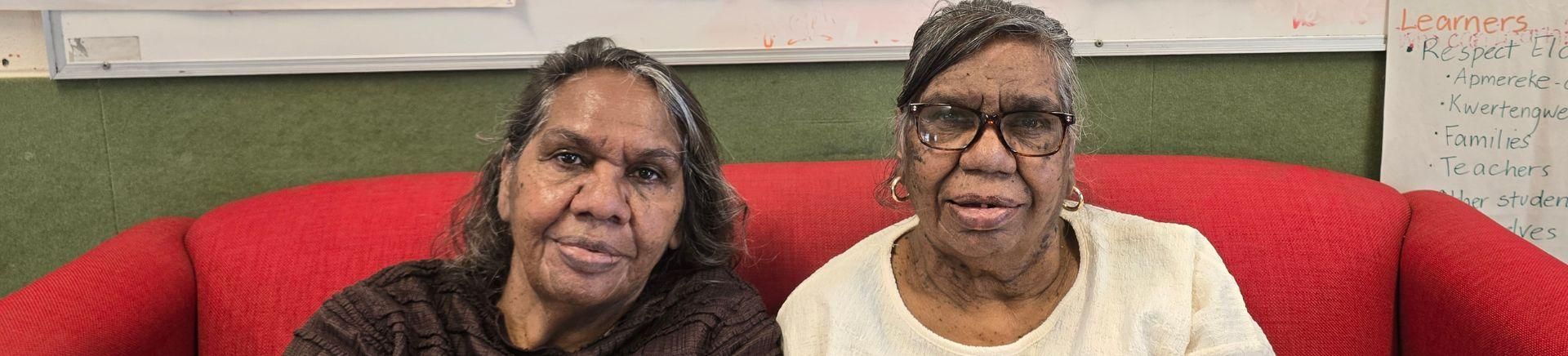
The group was incredibly fortunate to be guided by Veronica Dobson AM, a legendary Arrernte Elder and linguist who co-authored the Eastern and Central Arrernte to English Dictionary in the 1980s and 90s. Her presence provided a rare link between decades of linguistic work and the next generation of educators.
"This is a great course," Veronica shared. "We need more qualified teachers to work on keeping our languages strong for the next generations."
Under the guidance of trainer Dr. Emma Browne, students like Pamela Lynch and Camille Dobson spent the week deconstructing the grammar of Arrernte. They explored how the language is structured, how it is evolving, and most importantly, how to make these concepts come alive in a classroom.
From Theory to the Classroom
The workshop wasn't just about technical terms; it was about practical application. Students created two distinct levels of Arrernte texts:
- Beginner: Focusing on clear, foundational structures.
- Advanced: Delving into the rich complexity of the language.
A highlight of the week was the creation of stories about the Arlewatyerre (goanna), where students applied their new grammatical knowledge to traditional storytelling to support students learning Arrernte language.
Inspirational Outcomes
The impact of the workshop was palpable for participants.
"This was a very challenging but rewarding delve into a language," said student Camille Dobson. "I’ve learned a lot in four days and now feel more confident about delivering workshops which may require a more technical explanation of the grammar of Arrernte."
For Pamela Lynch, the course is a stepping stone toward a much larger community dream: "Learning this Cert IV course has given us inspiration to fulfill our dream to establish an on-country learning centre for our Arrernte families at Apmere Apmwerre (Black Tank)."
The Future of Arrernte Teaching
With a number of students working toward completing their Certificate IV this year, and educators from Ltyentye Apurte transitioning from Certificate III into Certificate IV, the program continues to support strong pathways in First Nations language education in Central Australia.These educators are not just learning a syllabus; they are ensuring that the voices of the past continue to be heard clearly by the generations of the future.
Are you interested in preserving your community's language? Explore our First Nations Languages courses or contact the VET & HERD team today to learn more about upcoming workshops at the Desert Peoples Centre.